GST on Health Insurance in India: Everything You Need to Know
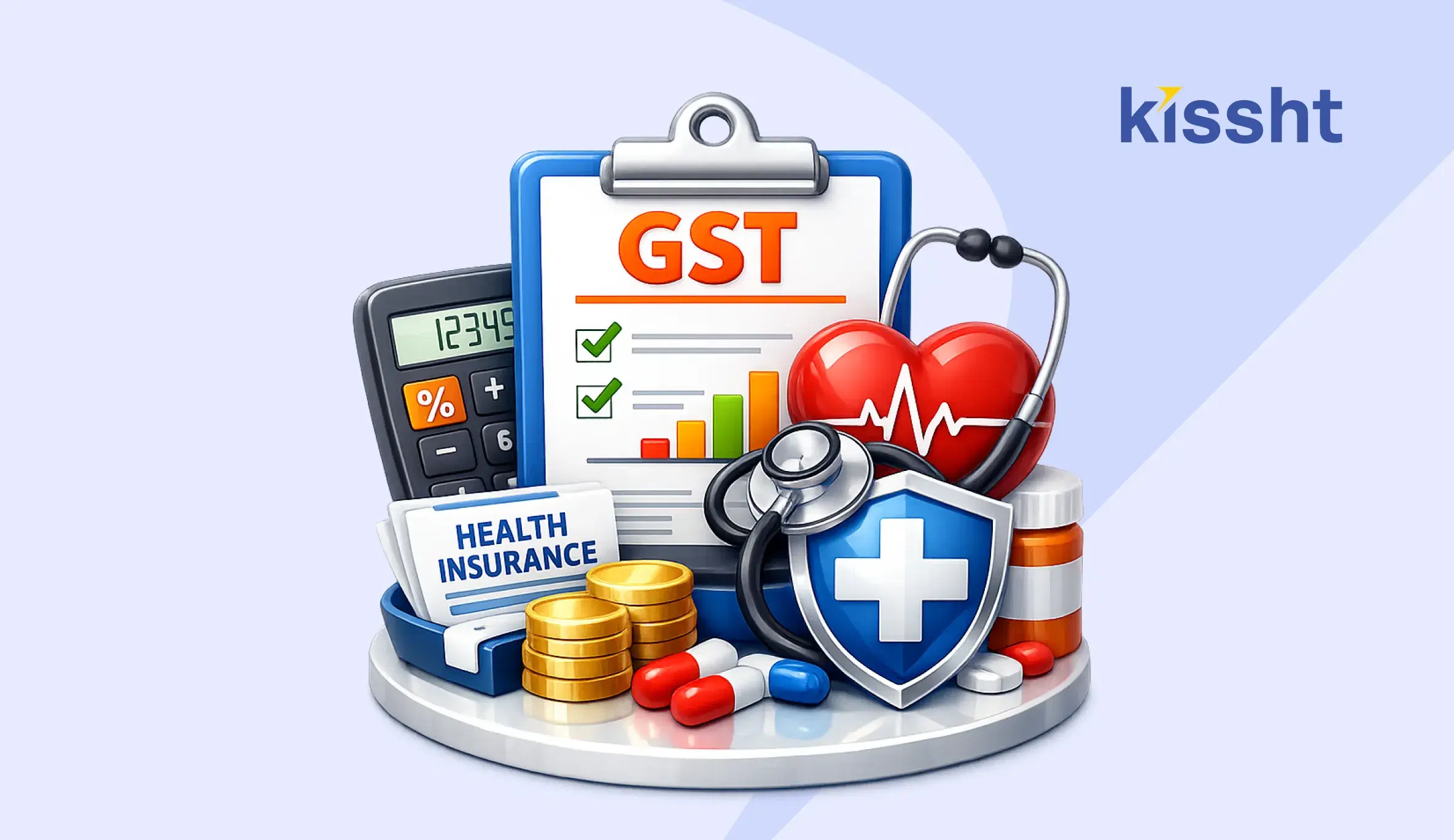
Healthcare planning has become an essential part of financial security for many families in India. With medical expenses rising steadily, having health insurance helps individuals manage unexpected hospital costs and access timely treatment. However, when purchasing or renewing a policy, understanding GST on health insurance is equally important, as it directly affects the total premium payable.
In India, insurance policies fall under the Goods and Services Tax framework. While reviewing policy costs and the GST rate for health insurance, people also consider ways to prepare for medical expenses in advance. Some individuals explore options such as medical loans when planning healthcare spending. Digital tools available through a quick loan app can help users review financing options conveniently.Platforms like Kissht help users plan and manage healthcare expenses more effectively when needed.
Understanding GST on Health Insurance
The taxation structure for insurance premiums has changed significantly in recent years. Earlier, GST on health insurance was charged at 18%, which increased the total premium payable for policyholders.
However, a key policy update introduced in September 2025 changed this structure. Individual health insurance policies, including family floater and senior citizen plans, are now exempt from GST, which means the effective tax rate has reduced from 18% to 0% for individual buyers.
At the same time, the GST rate on medical insurance continues to apply to group or employer-provided policies. These policies still attract GST, which is reflected in the premium breakdown.
GST Structure Across Different Policy Types
The difference in tax treatment depends on how the policy is structured. The table below summarises both the earlier and current positions:
| Type of Health Insurance Policy | Earlier GST Rate | Current GST Rate | What You Pay Now |
|---|---|---|---|
| Individual health insurance | 18% | 0% | Only base premium |
| Family floater plans | 18% | 0% | Only base premium |
| Senior citizen policies | 18% | 0% | Only base premium |
| Employer / group health insurance | 18% | 18% | Premium + tax component |
How This Change Impacts Policyholders
The removal of GST on individual policies has made insurance more accessible and easier to plan.
Here’s what this means in practice:
- Lower premiums: Individuals no longer pay the earlier 18% tax
- Simpler pricing: The premium shown is now the final payable amount
- Better financial planning: Households can budget more accurately
- Greater adoption: More people may consider buying coverage
However, for corporate or group policies, GST on health insurance premium may still be included, so it is important to review policy documents carefully.
How to Read Insurance Premiums Now
When evaluating a policy, understanding how the premium is structured can help avoid confusion:
- For individual plans, the premium reflects the final amount without GST
- For group policies, the breakdown may still include GST on health insurance premium
- Always confirm whether the policy is individual or employer-provided
- Compare total payable amounts rather than base premiums alone
This approach ensures better clarity while choosing a plan.
Managing Healthcare Expenses Alongside Insurance
Insurance provides strong financial support, but some healthcare expenses may still arise beyond policy coverage. Planning ahead helps individuals manage such situations comfortably.
Some people explore financing options for medical expenses through digital platforms. A quick loan app can help users review repayment options and available solutions. Services such asKissht connect individuals with a suitable loan provider, enabling them to organise healthcare-related expenses when necessary. In certain situations, medical loans can provide flexibility during treatment.
Practical Tips for Planning Insurance Costs
To make informed decisions, consider the following:
- Check whether the policy is individual or group-based
- Review the applicable GST rate for health insurance
- Confirm if GST is included in the premium breakdown
- Compare policies based on total payable cost
- Plan insurance expenses as part of long-term financial goals
FAQs
What was the GST rate on health insurance earlier?
Earlier, GST on health insurance was charged at 18% for all policies.
What is the GST rate for health insurance now?
For individual policies, the GST rate for health insurance is now 0%, while group policies may still include GST.
Does GST apply to all medical insurance policies?
No. The GST rate on medical insurance depends on the policy type. Individual policies are exempt, while employer-provided policies may still attract GST.


Instant Loans at Your Fingertips


Personal Loan
Fast, hassle-free loan for your personal needs.

Business Loan
Fuel your business growth with quick approvals.

Loan Against Property
Unlock your property’s value with ease.

Credit Pulse
Boost your credit score with smart insights.

Track your credit score
Simply enter your mobile number to get a quick overview of your credit score.
Check Now

Related articles

Mar 17, 2026
Health Insurance for Women: Key Features You Should Check Before Buying

Mar 16, 2026
Private Health Insurance vs Government Schemes: Key Differences Explained
Mar 02 ,2026
Personal Accident Cover Explained: What Riders in India Often Overlook
Mar 01, 2026
How to File a Reimbursement Claim for Health Insurance?
March 2, 2026
Health Insurance Tax Benefits for Salaried Employees
Jan 21, 2026
Understanding No Claim Bonus and How It Improves Long-Term Medical Coverage

Jan 20, 2026
Network Hospitals List Explained: How to Find and Verify Them Easily

Jan 20, 2026
Understanding Copay in Health Insurance and How It Impacts Your Medical Costs
Jan 20, 2026
Waiting Period in Health Insurance: Rules for Pre-Existing Diseases, Maternity Coverage and More

Jan 21, 2026
How to Decide the Right Health Insurance Cover Amount for 2026
Jan 16, 2026
Health Insurance Claim Process Explained Step by Step
Jan 15, 2026