How to File a Reimbursement Claim for Health Insurance?
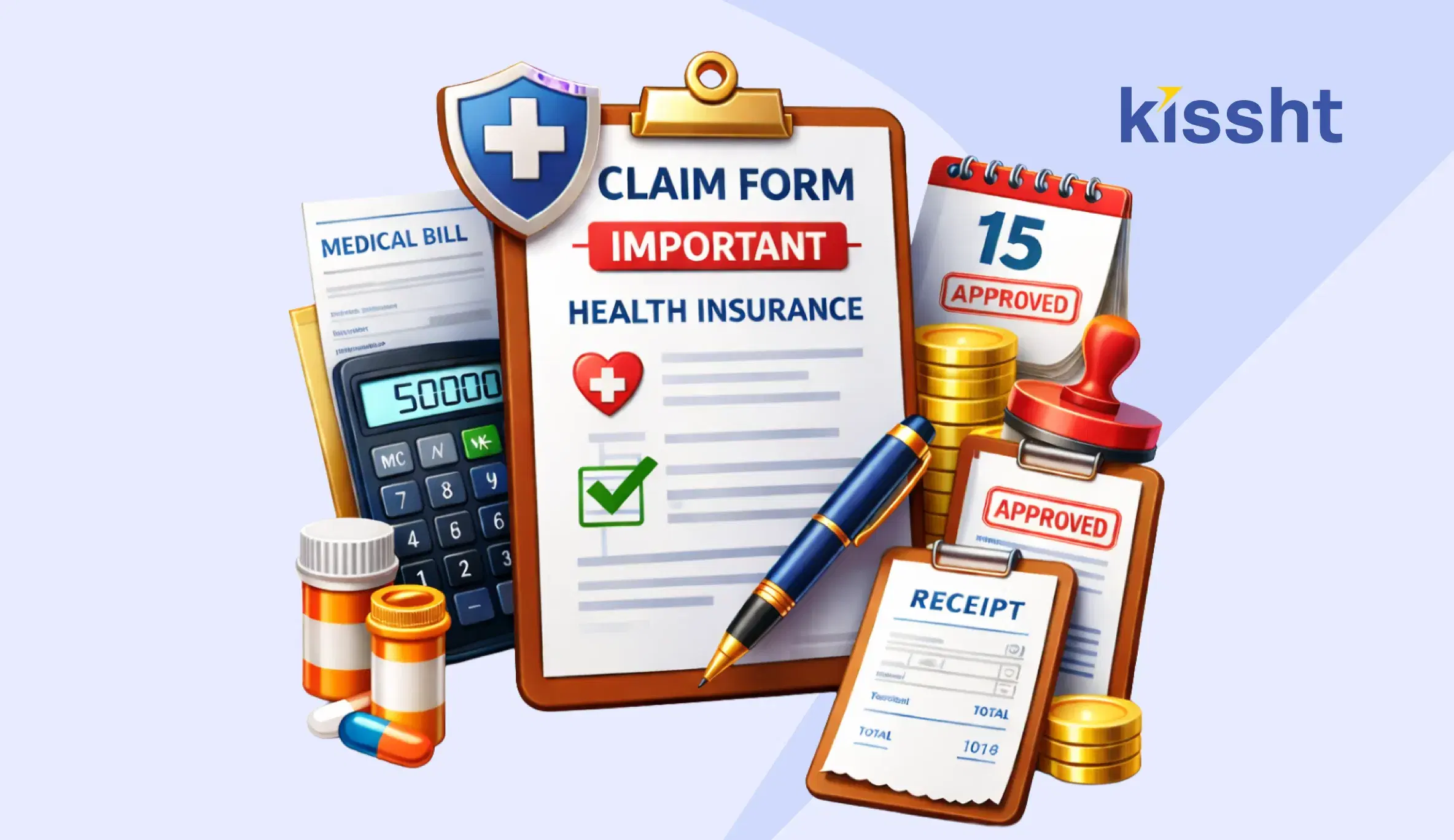
Medical emergencies can be managed more confidently when you have the right financial protection in place. While cashless hospitalisation offers convenience, there may be situations where you pay the hospital bill upfront and claim the amount later from your insurer. In such cases, understanding the reimbursement process helps you recover your eligible expenses smoothly and without confusion.
If you are covered under a health insurance policy, understanding how to file a reimbursement claim ensures you receive your eligible amount without unnecessary delays. Knowing the correct steps also prevents last-minute financial strain that might otherwise push you toward options such as a medical emergency loan or assistance from an instant loan app.
Let’s break down the process clearly and simply.
What Is a Reimbursement Claim
Before diving into the process, it helps to understand what a reimbursement claim is.
A reimbursement claim is a request made to your insurer to repay medical expenses that you have already paid out of pocket. Instead of the insurer settling the bill directly with the hospital, you first clear the hospital dues and later apply for insurance reimbursement.
This process is also referred to as:
- Medical claim reimbursement
- Mediclaim reimbursement
- Reimbursement of medical expenses
All these terms point to the same mechanism where the insured person seeks repayment from the insurer.
When Do You Need to File a Reimbursement Claim
You may need to opt for reimbursement in the following situations:
- Treatment taken at a non-network hospital
- Emergency admission without time for cashless approval
- Planned procedures where a cashless facility is unavailable
- Certain expenses not covered under cashless settlement
In such cases, you must preserve all documents carefully to ensure smooth processing.
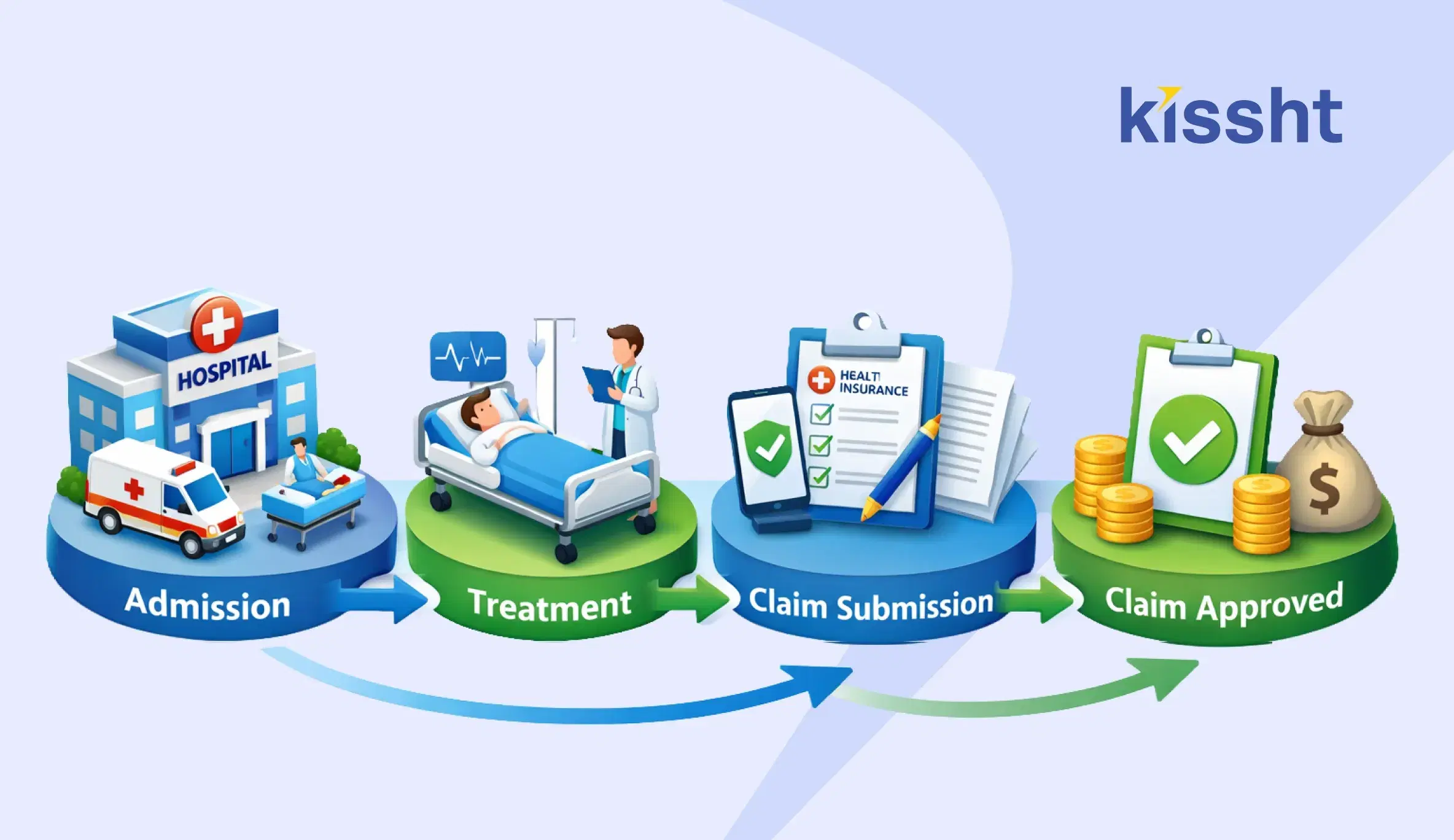
Step-by-Step Guide to Filing a Health Insurance Reimbursement Claim
Step 1: Inform the Insurance Company
Notify your insurer as soon as possible after hospitalisation. Some policies specify timelines for intimation, especially in emergency cases.
Step 2: Collect All Necessary Documents
Proper documentation is critical for medical reimbursement. Typically required documents include:
- Duly filled reimbursement claim form
- Discharge summary
- Original hospital bills
- Pharmacy bills with prescriptions
- Diagnostic reports
- Payment receipts
- Doctor consultation notes
The reimbursement claim form or medical reimbursement form can usually be downloaded from your insurer’s official website.
Step 3: Fill the Reimbursement Claim Form Carefully
Ensure that the reimbursement claim form contains:
- Policy number
- Patient details
- Hospital details
- Treatment description
- Bank account information
Incomplete or incorrect forms can delay the insurance reimbursement process.
Some insurers may refer to this as a medical charges reimbursement form. Regardless of the name, ensure all sections are filled accurately.
Step 4: Submit the Documents
You can usually submit documents:
- Online through the insurer’s portal
- By email
- At a branch office
- Through the courier to the claims department
Always keep photocopies or scanned copies for your records.
Step 5: Claim Assessment and Settlement
Once submitted, the insurer evaluates:
- Policy coverage
- Waiting periods
- Exclusions
- Sub limits
If approved, the claim amount is credited directly to your bank account. This is known as insurance reimbursement.
Documents Checklist for Smooth Processing
| Document | Why It Is Important |
|---|---|
| Claim form | Official request for reimbursement |
| Discharge summary | Confirms treatment details |
| Itemised bills | Verifies expense breakdown |
| Prescriptions | Validates medication charges |
| Payment receipts | Confirms you paid the hospital |
| Identity proof | Ensures correct beneficiary |
Maintaining this checklist reduces rejection chances.
Common Reasons for Claim Rejection
Understanding potential pitfalls helps avoid unnecessary stress.
- Incomplete documentation
- Missed claim submission deadline
- Non-disclosure of pre-existing conditions
- Treatment not covered under the health insurance policy
- Claim exceeding policy limits
Reading your policy terms carefully prevents unpleasant surprises.
How Long Does Reimbursement Take
Processing time varies by insurer but typically ranges between seven and twenty-one working days after document submission.
Timely submission and accurate paperwork can significantly reduce delays.
Managing Expenses While Waiting for Reimbursement
There may be a gap between hospital discharge and claim settlement. During this period, individuals sometimes rely on savings or short-term borrowing.
In urgent situations, people may explore options such as a regulated loan provider or use an instant loan app for temporary liquidity. However, it is important to evaluate repayment capacity and interest rates before taking such steps. Insurance remains the primary financial safeguard, while loans should only act as a backup solution.
Planning an emergency fund alongside your health insurance policy can reduce the need for borrowing during medical situations.
Tips to Make Your Medical Claim Reimbursement Hassle-Free
- Inform the insurer immediately after hospitalisation
- Keep original bills safely stored
- Submit documents within prescribed timelines
- Ensure your bank details are accurate
- Track claim status regularly through official channels
Consistency and documentation discipline make the process smoother.
Difference Between Cashless and Reimbursement Claims
| Aspect | Cashless Claim | Reimbursement Claim |
|---|---|---|
| Payment at hospital | Paid directly by insurer | Paid by patient first |
| Hospital type | Network hospital | Any hospital |
| Documentation | Pre-authorisation required | Post-treatment submission |
| Claim payout | Direct settlement | Bank transfer to insured |
Both processes are valid. Your choice depends on hospital network availability and emergency circumstances.
Final Thoughts
Filing a reimbursement claim does not have to be complicated. With a clear understanding, organised paperwork, and timely submission, you can recover eligible medical expenses smoothly. A well-structured health insurance policy provides financial support when you need it most. Staying informed about procedures ensures that your focus remains on recovery rather than paperwork.
FAQs
Q1. What is a reimbursement claim in health insurance?
It is a request made to the insurer to repay medical expenses that you have already paid to the hospital.
Q2. How do I get a medical reimbursement form?
You can download the medical reimbursement form from your insurer’s official website or collect it from their branch office.
Q3. Can I claim reimbursement for treatment at any hospital?
Yes. Reimbursement claims are typically applicable even if the hospital is not part of the insurer’s network, subject to policy terms.
Q4. What if my reimbursement claim is partially approved?
If the insurer approves only part of the claim, they will provide a settlement summary explaining deductions based on policy coverage and limits.



Instant Loans at Your Fingertips


Personal Loan
Fast, hassle-free loan for your personal needs.

Business Loan
Fuel your business growth with quick approvals.

Loan Against Property
Unlock your property’s value with ease.

Credit Pulse
Boost your credit score with smart insights.

Track your credit score
Simply enter your mobile number to get a quick overview of your credit score.
Check Now

Related articles

Mar 25, 2026
GST on Health Insurance in India: Everything You Need to Know

Mar 17, 2026
Health Insurance for Women: Key Features You Should Check Before Buying

Mar 16, 2026
Private Health Insurance vs Government Schemes: Key Differences Explained
Mar 02 ,2026
Personal Accident Cover Explained: What Riders in India Often Overlook
March 2, 2026
Health Insurance Tax Benefits for Salaried Employees

Jan 21, 2026
Understanding No Claim Bonus and How It Improves Long-Term Medical Coverage

Jan 20, 2026
Network Hospitals List Explained: How to Find and Verify Them Easily

Jan 20, 2026
Understanding Copay in Health Insurance and How It Impacts Your Medical Costs
Jan 20, 2026
Waiting Period in Health Insurance: Rules for Pre-Existing Diseases, Maternity Coverage and More

Jan 21, 2026
How to Decide the Right Health Insurance Cover Amount for 2026
Jan 16, 2026
Health Insurance Claim Process Explained Step by Step

Jan 15, 2026