Health Insurance Tax Benefits for Salaried Employees
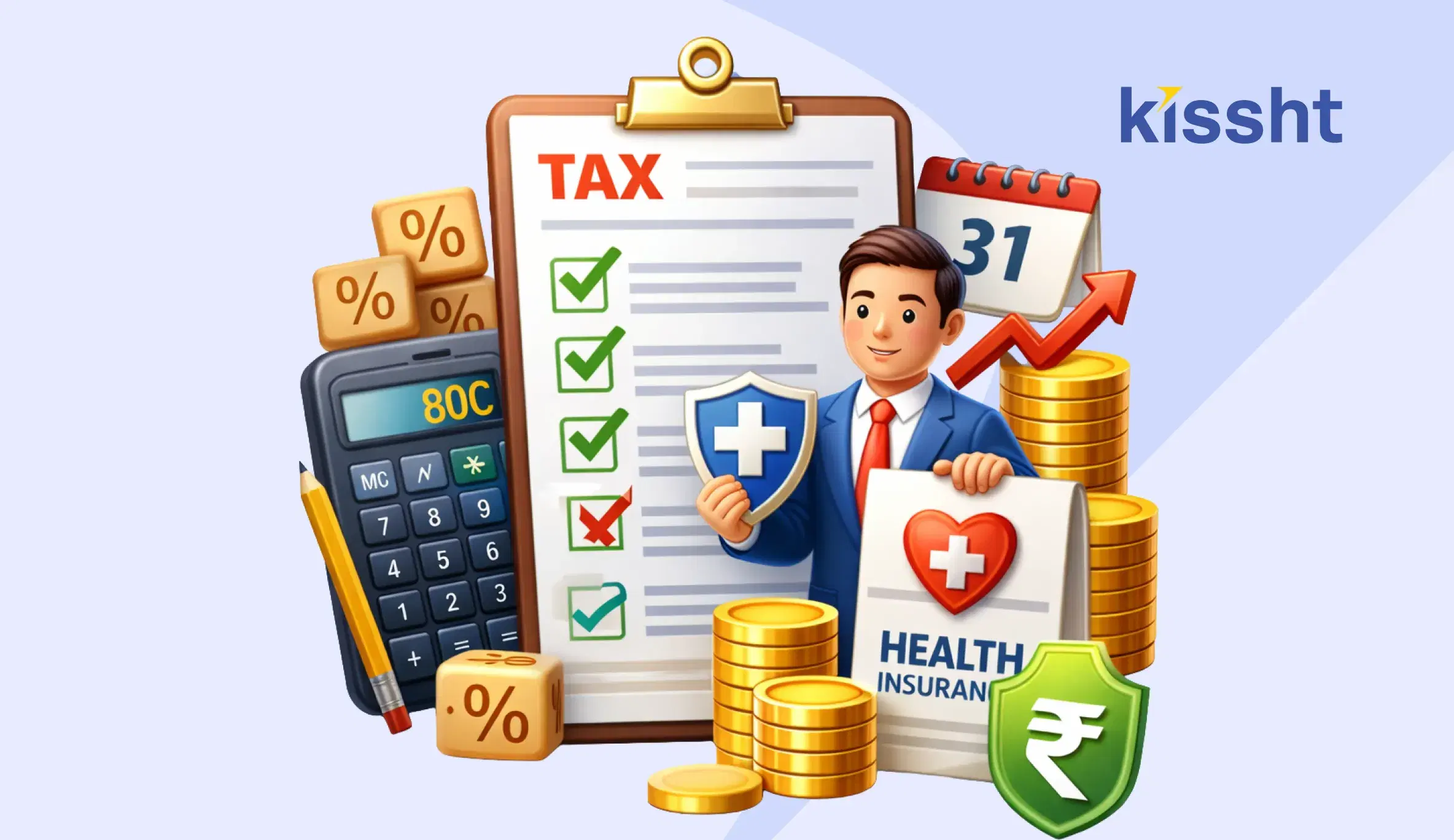
Managing finances smartly is not just about earning more. It is also about structuring your expenses in a way that reduces tax outflow while protecting your future. For salaried employees in India, one of the most effective tools for this is a well-chosen insurance cover.
From safeguarding your savings during medical crises to reducing your taxable income, health insurance plays a dual role in financial planning. Let’s understand how tax benefits work, what limits apply, and how you can make informed decisions.
Why Health Insurance Is Essential for Salaried Employees
Medical costs in India are rising steadily. A single hospitalisation can disturb carefully planned savings. A comprehensive health insurance plan makes sure that your treatment expenses do not erode your long-term financial goals.
Beyond protection, there are attractive health insurance tax benefits available under Section 80D of the Income Tax Act. This means the premium you pay can reduce your taxable income.
Key Advantages
- Financial protection against high hospital bills
- Cashless treatment options at network hospitals
- Tax savings under Section 80D
- Coverage for dependent parents, spouse, and children
Understanding Section 80D and Tax Deductions
Section 80D of the Income Tax Act allows salaried individuals to claim a tax deduction on health insurance premium payments. This benefit is available whether you opt for the old tax regime or not, depending on prevailing rules.
Here is how the Section 80D deduction works:
Deduction Limits Under Section 80D
| Insured Members | Maximum Deduction Allowed |
|---|---|
| Self, spouse, and children under the age of 60 years | ₹25,000 |
| Parents below 60 years | ₹25,000 |
| Parents above 60 years | ₹50,000 |
| Self or family above 60 years | ₹50,000 |
If both you and your parents are senior citizens, then the total deduction can go up to ₹1,00,000.
This limit is commonly referred to as the health insurance 80D limit, and understanding it helps maximise your savings.
What Qualifies for 80D Tax Benefits
To claim the 80D tax benefit, you must ensure:
- Premium is paid through non-cash modes such as bank transfer, UPI, or credit card
- The policy is active and issued by an IRDAI-approved insurer
- Payment receipts are retained for tax filing
The deduction is applicable on premiums paid for:
- Individual health insurance policy
- Family floater policies
- Senior citizen policies
- Preventive health check-ups within prescribed limits
This provision is often called the health insurance tax benefit under Section 80D, and it applies each financial year.
Example Calculation for Better Clarity
Let us consider an example.
Rohit, a salaried professional, earns ₹12,00,000 annually. He pays:
- ₹22,000 premium for himself and his spouse
- ₹48,000 premium for his senior citizen parents
Under Section 80D, Rohit can claim:
- ₹22,000 for self and spouse
- ₹48,000 for parents
Total deduction: ₹70,000
This reduces his taxable income to ₹11,30,000, resulting in meaningful tax savings.
Additional Medical Insurance Tax Exemptions
Apart from premium payments, the government also allows deductions for preventive health check-ups within the overall limit. This makes tax-saving health insurance an effective strategy for emergencies as well as regular health monitoring.
Points to remember:
- Preventive check-up deduction is capped within the 80D limit
- Cash payments are allowed only for preventive health check-ups
- All other payments must be digital
Understanding the full scope of medical insurance tax exemption helps avoid missing out on legitimate claims.
Should You Buy Health Insurance Even If Your Employer Covers You
Many salaried employees rely only on employer-provided coverage. While corporate policies are helpful, they may not always be sufficient.
Reasons to consider an independent policy:
- Coverage may end when you change jobs
- The sum insured may not be sufficient
- Limited family coverage
Choosing to buy health insurance individually ensures uninterrupted protection and access to Section 80D benefits regardless of employment status.
When Insurance Is Not Enough: The Role of Loans
Even with coverage, there can be out-of-pocket expenses such as room upgrades, non-covered procedures, or waiting period exclusions. In such cases, individuals may consider a short-term financial cushion.
A carefully evaluated urgent loan can help manage immediate medical expenses without disturbing long-term investments. Similarly, a structured medical emergency loan can provide quick liquidity during unforeseen hospitalisation.
However, loans should be used prudently. Insurance remains the primary protection tool, while credit solutions should be a backup option.
Before opting for any borrowing, assess:
- Interest rate and repayment tenure
- Processing charge
- Impact on the monthly budget
A balanced approach ensures you are protected without creating additional financial strain.
How to Maximise Health Insurance Tax Benefits
To make the most of your health insurance tax benefit under Section 80D, follow these practical steps:
- Cover senior citizen parents if applicable
- Opt for a sufficient sum insured
- Pay premiums before the financial year ends
- Maintain digital payment proof
- Review the policy annually
Proactive planning ensures that your health insurance 80D benefit works effectively year after year.
Common Mistakes to Avoid
- Missing renewal dates
- Ignoring coverage details
- Assuming the employer policy is sufficient
Staying informed prevents errors during tax filing and claim settlement.
Final Thoughts
For salaried professionals, smart tax planning goes beyond traditional investments. A well-structured insurance strategy not only protects your family but also reduces your tax liability legally and efficiently. Understanding the rules, limits, and documentation requirements ensures that you make informed financial decisions every year.
FAQs
Q1. Can I avail tax benefits for premiums paid for my parents?
Yes. You can claim a separate deduction for parents under Section 80D. The limit depends on whether they are senior citizens.
Q2. Is there a maximum limit for the preventive health check-up deduction?
Yes. It is included within the overall Section 80D deduction limit and cannot exceed the prescribed cap.
Q3. Can I claim a deduction if I pay a premium in cash?
No. Premium payments must be made through non-cash modes to qualify. Cash payment is allowed only for preventive health check-ups within limits.
Q4. Is an urgent loan eligible for tax deduction like health insurance?
No. Loans taken for medical purposes do not provide the same tax deductions as insurance premiums under Section 80D.


Instant Loans at Your Fingertips


Personal Loan
Fast, hassle-free loan for your personal needs.

Business Loan
Fuel your business growth with quick approvals.

Loan Against Property
Unlock your property’s value with ease.

Credit Pulse
Boost your credit score with smart insights.

Track your credit score
Simply enter your mobile number to get a quick overview of your credit score.
Check Now
Related articles
Mar 25, 2026
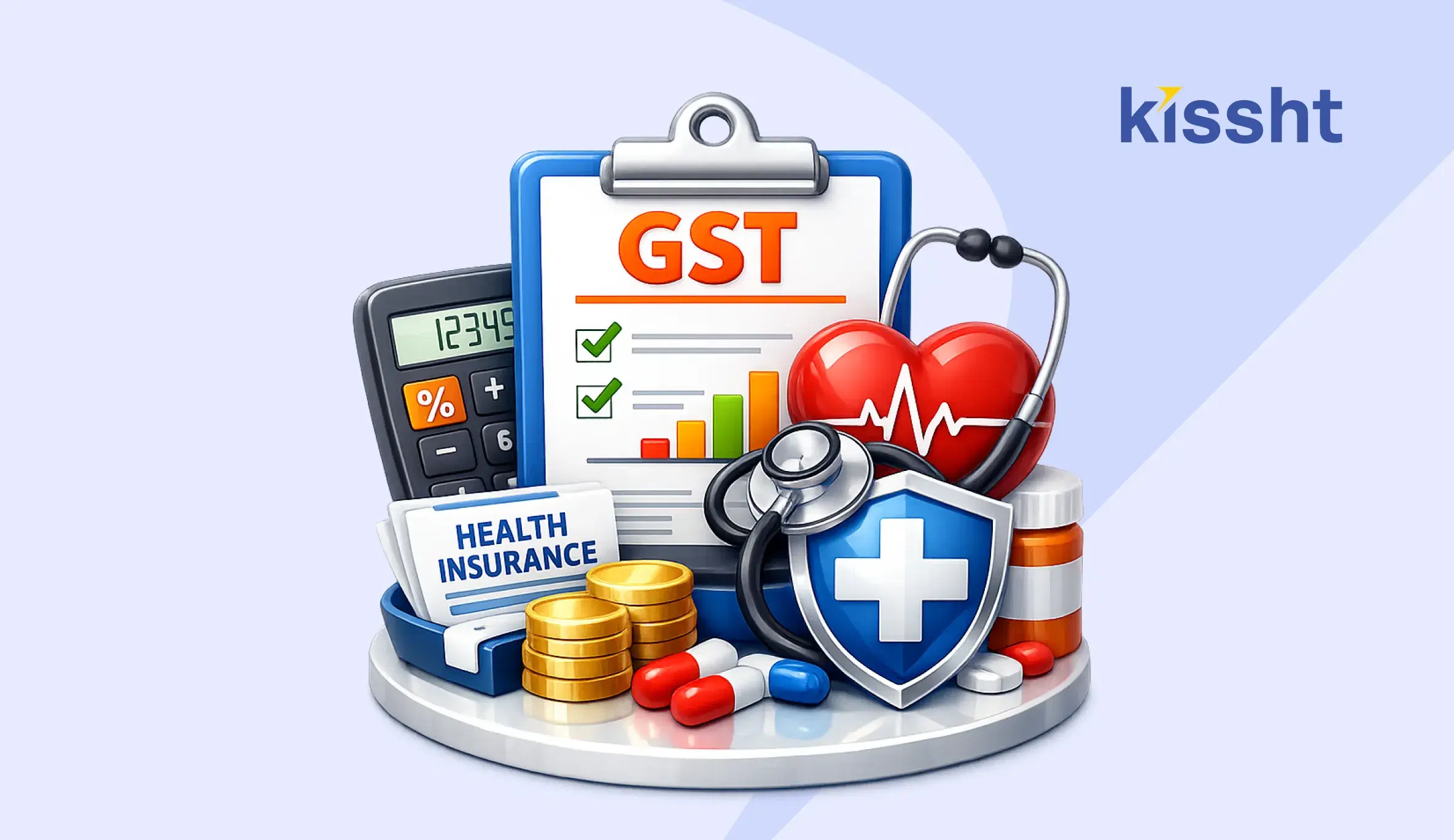
GST on Health Insurance in India: Everything You Need to Know
Mar 17, 2026
Health Insurance for Women: Key Features You Should Check Before Buying
Mar 16, 2026
Private Health Insurance vs Government Schemes: Key Differences Explained
Mar 02 ,2026
Personal Accident Cover Explained: What Riders in India Often Overlook
Mar 01, 2026
How to File a Reimbursement Claim for Health Insurance?
Jan 21, 2026
Understanding No Claim Bonus and How It Improves Long-Term Medical Coverage
Jan 20, 2026
Network Hospitals List Explained: How to Find and Verify Them Easily
Jan 20, 2026
Understanding Copay in Health Insurance and How It Impacts Your Medical Costs
Jan 20, 2026
Waiting Period in Health Insurance: Rules for Pre-Existing Diseases, Maternity Coverage and More
Jan 21, 2026
How to Decide the Right Health Insurance Cover Amount for 2026
Jan 16, 2026
Health Insurance Claim Process Explained Step by Step
Jan 15, 2026